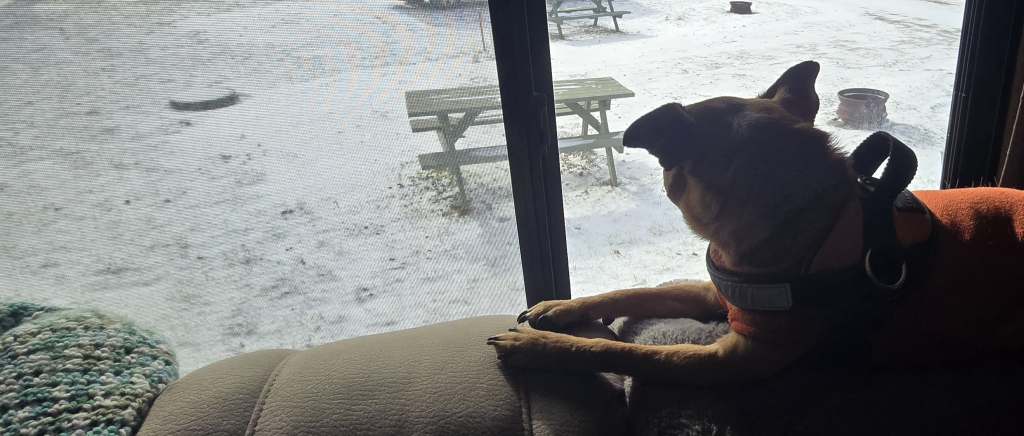
I’ve come to cherish the first few hours of the morning. There is the quiet darkness between my 7am alarm, which I don’t really know why I have it set for that time anymore, since my body usually wakes me up before that, and we are not on the same strict morning schedule since Chancho passed, except on travel days. Much like when we were living in our home in Texas, those first hours were spent reading for a little while in bed, cherishing the warmth of Ramiro next to me, getting up to take Tajin outside and feed him, starting the coffee machine and sometimes starting to make breakfast or going back to bed for a little longer, not really to sleep, but just to be in the quiet. Now, I take my breakfast and coffee, and many times my book to the table by the RV window, taking in the morning clouds or sunshine peaking through, the activity of our neighbors, the birds and squirrels flitting around, even in the winter stillness. Tajin waits for me to open the shade on the window by the couch so that he can sit atop it and stare out the window, being chismoso.
My best thoughts come to me in those quiet moments of morning, so I try my best to spend that time journaling, jotting down my ideas before the fatigue of the day sets in. But there are days in which my chronic fatigue makes my brain foggy and my thoughts disjointed. This is amplified by consuming media, even sparingly, that feeds me horror upon horror at the speed of light, too fast to really be able to adequately react before I am inundated with the next horrible news. I know you, reader, know this feeling well, because we are all experiencing this age of digital news media albeit possibly in different ways.
I wake up every day holding grief close in my heart, when I see videos of ICE agents brutalizing community members in Minneapolis, LA, Chicago, Texas, terrorizing children and families for the fragile ego of a man and his cabinet who have no drive beyond supremacy, obedience and control. When I see a video of a man in Gaza sifting through the rubble of his home to find the remaining bone fragments of his children, knowing that, as this report fromAl Jazeera that Israel used US-made thermobaric bombs on civilians in Gaza that vaporized their bodies, leaving almost nothing behind. When I read and listen to political podcasts like the Bad Faith Podcast that are discussing the information about the Epstein files and the bipartisan cabal of politicians, wealthy elite and celebrities who are implicated in them, including the direct ties to Israel and the fomenting of QAnon that directly led to Trump’s populism. I appreciated this newsletter, The Slow Release of the Epstein Files Is Psychological Conditioning . . . and It’s Working by Dr. Stacey Patton about the psychological affect of this news cycle that undermines accountability and action towards seeking justice for the survivors and tearing down the hierarchical control that these people have over so many aspects of our lives.
Several Black content creators and social historians have tried to call-in viewers/readers, especially white liberal followers, whose language in describing US state violence centers on calling the President and his ilk “Nazi’s” and ICE the “Gestapo.” While there are undeniable links between Trumps party and Nazi’s in America, their point was that this need by many Americans to create historical distance between the violence of ICE today and the violence that the United States has always perpetuated as an imperialist colony bent on the shifting sands of who is “American.” I appreciated this historical breakdown, How ICE Is Mimicking 19th Century Slave Patrols by Kahlil Greene He relates ICE’s violence today with the violence of slave catchers, a stark reminder that policing in the US was born from slave patrols and has continued to be used to protect the wealthy elite, property and state actors, not the people. I think about the glorification of the Texas Rangers in my home state, who committed massacres against several Native tribes in the region and regularly lynched Black and Mexican/Tejanos to enforce racial and ethnic hierarchies across the state.
For those of us in the United States, or in the imperial core, we are all experiencing collective grief, though probably in different ways. Some are experiencing the current fascism we are living through as a loss of a nation they thought it was, or the grief of confronting the United States as we know it is. Not everyone’s grief is stemming from the same place. Who are we when the facade of “freedom,” “equality,” “justice” is pulled back? Are we collaborators with state violence, with maintaining the status quo, or agitators, dreamers, creators?
Wintertime, and February in general, is a time when I like to read and engage with more folklore, a folklore February if you will (also embodying the uncanny stories of Weird Girl Winter). Folklore and folk stories across cultures and historical contexts can be fantastical, informative, and even frightening, but they are stories we come back to, or re-imagine because they speak to truths about our shared histories, even when the larger culture wants to hide behind stories that uphold power. In her book, Magical Realism: Essays on Music, Memory, Fantasy and Borders, Vanessa Angélica Villarreal discusses magical realism as a genre and it’s context in Latin American literature and how Western readers and scholars have often used it as both a catch-all term for any storytelling by BIPOC writers that is uncanny, speculative or “different.” As a Latina writer of speculative fiction, I have had my work relegated in this way. What I loved in this chapter is how she complicates the idea of “world-building” by marginalized writers:
“This, to me, is the root of magical realism: fabulation-the fable, the myth, the fantasy-as the radical, reparative speech of the counterpublic, for whom documents are often an absence and records are echoing silence.”
This is not to her effort to conflate these genres, but rather to illustrate how peoples living with collective trauma and shared histories of displacement, violence and erasure use these forms of storytelling to write their ways into being, the whisper network of folks who pass on their knowledge and experiences to others that shape a larger cultural shift in narrative. They insist on being vocal, on sharing their stories even in the face of overwhelming repression and violence. This can manifest in uncanny, surreal fiction, fantastical stories, urban legends, cautionary tales, fairy tale re-imaginings or new fairy tales and legends. After all, before a folktale becomes a folktale, it is just a story to someone, somewhere.
I would also includes zines, folk music and ballads, and other forms of expression that tell stories and resist erasure in this category.
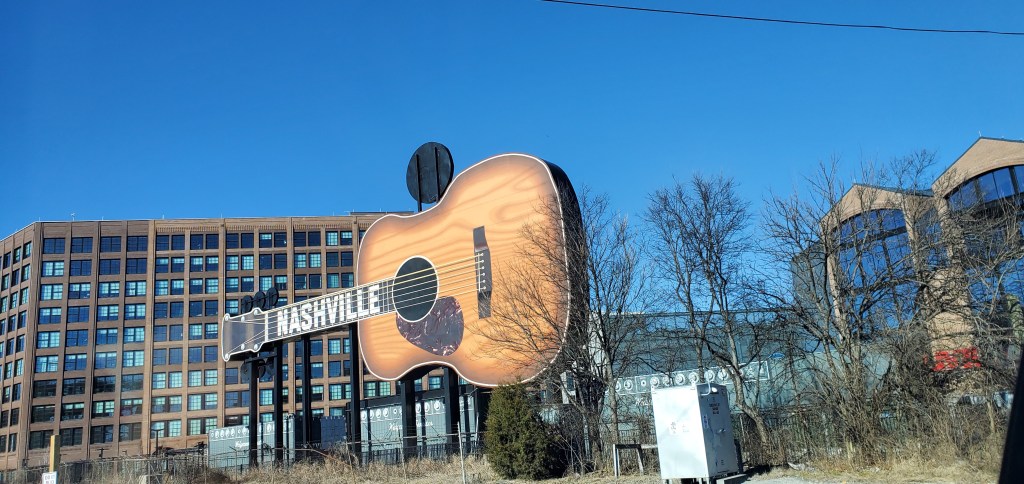
We were recently in Louisville, Kentucky and then Nashville, Tennessee, two cities known for their strong musical traditions that I recognize as similar to my hometown of Austin, though more focused on Black blues music, soul and country. We had the opportunity to visit the Musicians Hall of Fame Museum, which highlighted not only the incredible careers of stars like Jimmy Hendrix and Johnny Cash, but all of the studio engineers, bands and lesser known folks who make their incredible music possible. Revisiting familiar and new music inspired by this visit, I’ve been thinking about the role that music has played in my life and how it has shaped me creatively as a storyteller. I might have even started working on a piece (or possibly a new project?!) reflecting on this. Younger folk singers who reflect some of the origins of R&B, country music and folk protest song traditions as Black musical traditions.
In reading, listening to and thinking about folk expressions, I am thinking on Bad Bunny’s Superbowl Half-Time Show and this this beautiful breakdown of Bad Bunny’s latest album of his performance full of Puerto Rican cultural pride and historical symbolism that many are still parsing for details, especially from a de-colonial lens. I’m thinking about folks across several cities, including Minneapolis, making and distributing whistles and zines to teach folks how to use those whistles during anti-Ice patrols to protect their neighbors and community members. I think about families in migrant concentration camps writing their information and stories in notes and tying them to shampoo bottles to ensure they are not erased as our government is striving to do. Perhaps someone is already writing a corrido telling the stories of those refusing to disappear.
While the ice from a winter storm that swept through half the country has melted here, we are still in the liminal space before spring. Folks are preparing the soil for their spring gardens. I’ve been thinking about decay, grief rituals composting the present to create a future we want to be a part of. I want to share a zine by AJ Hawkins, a creator I really love who wrote this free downloadable zine, “Composting a Dying World: Revolution as an Ecosystem of Transformative Change.” In this zine, Hawkins invites us to reflect on how we must take active community roles towards social change through the lens of insects and organisms that aid in decay and growth. I found it very helpful to consider what I believe my role, or roles (this if often shifting based on skill, need and context) are now and in the future. As Rob Hopkins says in his book I am still working through, How to Fall in Love with the Future, “act towards creating a future we want, not just preventing the one the don’t want.”
As a storyteller, it can be challenging to motivate myself to write or promote my work when there is so much pressing need in the world that feels more important. And there is. But lately, I have had almost the opposite problem. I have so many ideas, so much creative push that I am pulled to create in several projects at once, and feel proud to share my own work. On her social media, a writer I respect, Meg Elison, said that “your favorite writers are working hard to give you stories you may need.” That was perhaps the reminder I needed that creating for myself, creating work to share with others is necessary, important work. It’s not the only work, to be sure. It never will be. But it is vital work, because I want stories that help me feel connected to this life, and I would hope to offer the same to others.
I often find myself thinking about what other’s writers stories mean to me, and in turn what my stories and work mean to others? I’ve had loved ones and community members ask me about buying a copy of my poetry chapbook to give to others who are experiencing new health issues or who have experienced loss, and I feel gratified that they want to share my words in support of others. My friend and fellow writer Lindsey Carmichael shared with me that she printed one of my poems, What greater love than refilling a pill organizer? into her pill organizer.
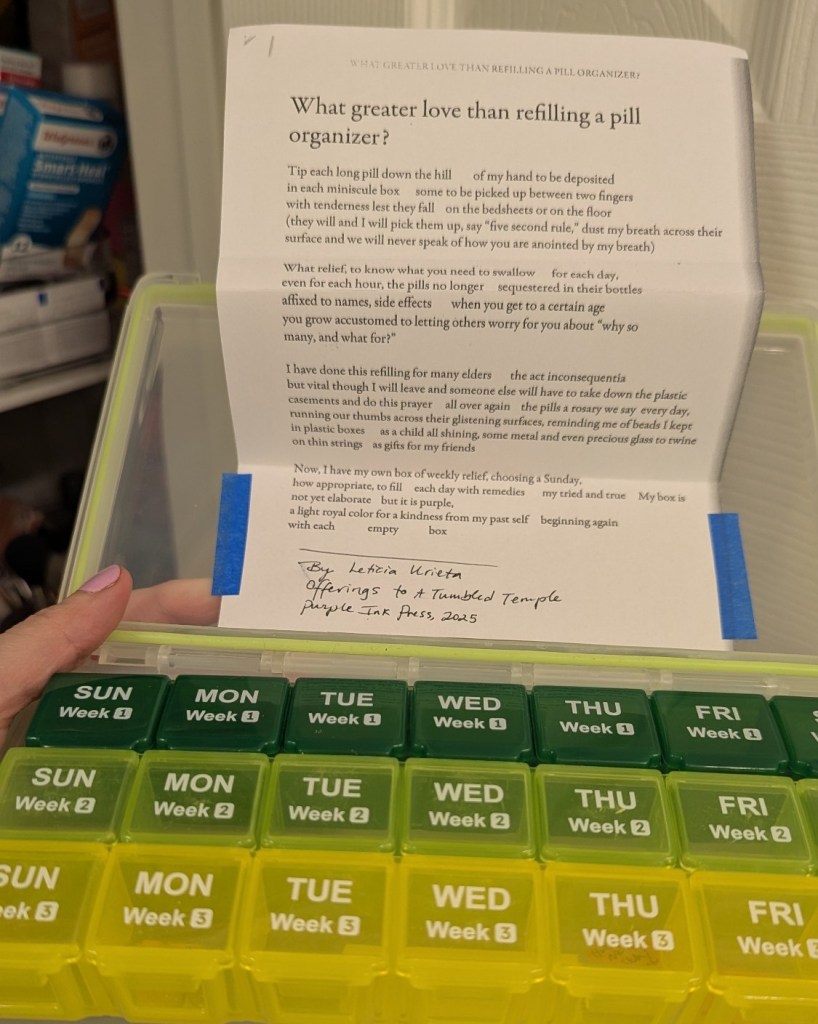
What more, what greater use of my words, can I ask for?
To find more photos and videos of our travels, follow me on Instagram or Tiktok!

If you’re interested in becoming a paid subscriber to support the newsletter and my work, I’d love to have you! Just $5 a month will help me continue to offer curated book recommendations, writing prompts, author spotlights, resources and more! You will also receive discounts on future workshops and editing services. It’s hard to be an independent artist, and your monthly support helps make my work more sustainable.
What’s Happening with Leticia?

I am excited to share that my poetry chapbook, Offerings to the Tumbled Temple, is out now from Purple Ink Press! You can purchase a copy here. Chapbooks like these make great gifts for the holidays! And if you love your local library, you can request that they stock a copy.
My next horror collection, The Remedy is the Disease, will also be out next May, 2026 from Undertaker Books.
Here are some ways that you can help me to promote my book (and other indie poets and writers):
- Buy a copy if you can.
- Share the book with your loved ones.
- If you love your local library or independent bookstore, you can request that they stock a copy.
- Nominate my book(s) for your next book club read!
- If you or anyone you know reviews books, you can request an copy from me to review!
- I am now booking for 2026 events, so if you have a bookstore, community organization or space you would like for me to provide a workshop or reading/event for, comment or reach out via my contact page on my website to plan further!
Here is a recent spotlight that the Letras Latinas Blog 2 published about me and my work!
2026 Workshops and Events
I am currently planning my readings, workshops and events for 2026 and will announce more details in soon. Here’s what is on my calendar so far:
- Reading at BookWoman in Austin on Sunday, March 15th from 4:30-6pm CST (masks required).
- Climb Inside Other Minds: Exploring Persona Poetry with Leticia Urieta, March 28th from 10am-2pm CST with Gemini Ink (in-person). Register today or share with your poetry loving friends!
- Reading and Tabling at the Southside Book Festival in San Antonio on Sunday, March 29th
- Reading at Lark and Owl Bookstore in Georgetown on Saturday, April 25th at 7pm
We will be traveling through New Mexico, Colorado and through the west coast May-December of this year, so if you have any community members or booksellers you suggest I connect with, please let me know!
Get Support for Your Creative Projects!
I offer editing and consulting services to help you with your own creative projects! I have over a decade of experience helping writers of all ages develop their creative voices and their work with a caring and supportive approach. I love helping people learn more about their creative processes to best tell their stories.
I am currently taking on clients ages 16 and up for my services, although if your child would like support honing and publishing their work, I am happy to work with younger clients upon request. Since I write across a variety of genres, I am able to work with folks who are writing poetry, creative nonfiction, short stories, novels and more, with a special place in my heart for horror, speculative fiction and fantasy. If you are working on a comic, that is fantastic. I would love to work with you! Or, please share with other writers you know who might be interested!
If you are a paid subscriber to my newsletter, you get a 20% discount on my editing services!
What I’m Reading and Watching: Folklore February
Last year I made a folklore and fairy tale list after reading Thistefoot by Genna Rose Nethercott and I think that there is something about the liminal time in February that makes me want to read weird, folkloric work. Here are some titles I have read or currently reading right now:
- The Scald-Crow by Grace Daly
- This horror novel based on Irish folklore about a Brigid, a young woman navigating the disappearance of her abusive mother and debilitating chronic illness was a wild ride. After her mother’s sudden disappearance, Brigid moves into her childhood home, hoping to make a new life for herself and attempting to work past her shame to seek better care for her chronic pain. But when strange things start happening in the house, and a scald crow that has been tormenting her since childhood reappears to threaten her fragile peace of mind, Brigid questions what really happened to her mother, and what danger lurks in her past. I highly recommend this strange, heartfelt book about living with chronic illness and believing in yourself when life becomes unbelievable.
- Murder Ballads by Katy Horan
- This is a collection of folk ballads that Katy Horan has collected mostly from the US, Britain and Ireland that explore the legacy of these ballads that commemorate the real and fictional stories of women, and some men, who have been murdered or done violence and how these songs have evolved into modern American music. The illustrations that accompany the songs are hauntingly beautiful, and leave you wanting to explore these songs knowing their origins and hidden meanings.
- Scratch Moss by David Barnett
- This is the first book I’ve read by David Barnett and was grateful to receive an ARC from Netgalley, though this book is part of the same universe as his novel Scuttler’s Cove and Withered Hill. In Scratch Moss, aging writer Joe returns to his hometown of Scratch Moss, a former mining community, upon the death of his father, who had been in prison for forty years for the murder of a fellow miner after the government closed the mine. Joe must contend with his mother’s grief and bizarre behavior and a town he had mostly forgotten, though they consider his father a hero. The more time Joe spends in Scratch Moss, digging into his father’s actions, the more the horrors he escaped come back to the surface. Told across five timelines to the founding of Scratch Moss and the ancient darkness beneath the earth demanding blood, this book digs deep into the inheritance of intergenerational trauma, the potential harms of a culture and tradition willing to sacrifice children for the good of others. It rings true in today’s political climate as youth become more disenfranchised, and the topic of Thatcher’s closure of coal mines in rural England made me revisit Brassed Off, and Chumbawumba, whose songs are way more political than I remember! Enjoying revisiting their work.
- Seasons of Glass and Iron by Amal Al-Mohtar
- I have enjoyed both of Amal Al-Mohtars previous books, and was very grateful to receive an ARC from Netgalley for this collection of fairy tales. So far, I can already tell that I am going to enjoy this book, much as I love Kelly Link’s White Cat, Black Dog. Fairy tales often feel disconnected from the passions and needs of their characters, by Al-Mohtar’s stories press close to the yearning in the hearts of her characters, using folktale as a lens to explore love, queerness, misogyny, control and so much more.
- Salt Bones by Jennifer Givhan
- In a Southern California community near the Salton Sea, Malamar and her family are haunted by the disappearance of her sister Elena and other young women over the years. Mal’s memories of Elena’s disapearance are plagued by the possibilities of male violence and abduction, as well as the sinister presence of La Siguanaba, who haunts the marshlands of El Valle, much of which is controlled by and polluted by the wealthy white cattle ranching family, The Callahans, which Mal’s family has a contentious relationship with. When Mal’s youngest daughter Amarantha goes missing, the mystery and darkness of the town must be revealed, and Mal may need to trust in what she has always feared to find her daughter.
- Roots of My Fears: Terrifying Stories of Ancestral Horror Anthology, edited by Gemma Amor
- I’m really enjoying this much anticipated anthology that I found a paperback copy of at the Parnassus Bookstore in Nashville. There are stories from some of my favorite horror authors, and some whose work I’ve recommended before, like Nadia El-Fassi, whose creepy story I was pleasantly surprised was included.
- Ghost Roots by Pemi Aguda
- I Gave You Eyes and You Looked Towards Darkness by Irene Solà, Translated by Mara Faye Lethem
- House of Monstrous Women by Daphne Fama
- The Empress of Salt and Fortune by Nghi Vo
I’ve also been thinking on the folk ballads, blues, bluegrass, country and corridos traditions that we have listened to since being in Louisville and Nashville and what songs have been meaningful to me. I’ve also started listening to the Old Gods of Appalachia podcast and am revisiting the Spirits Podcast. What books are on your 2026 TBR? What is your favorite folklore media? Let me know in the comments.
Journaling Prompts
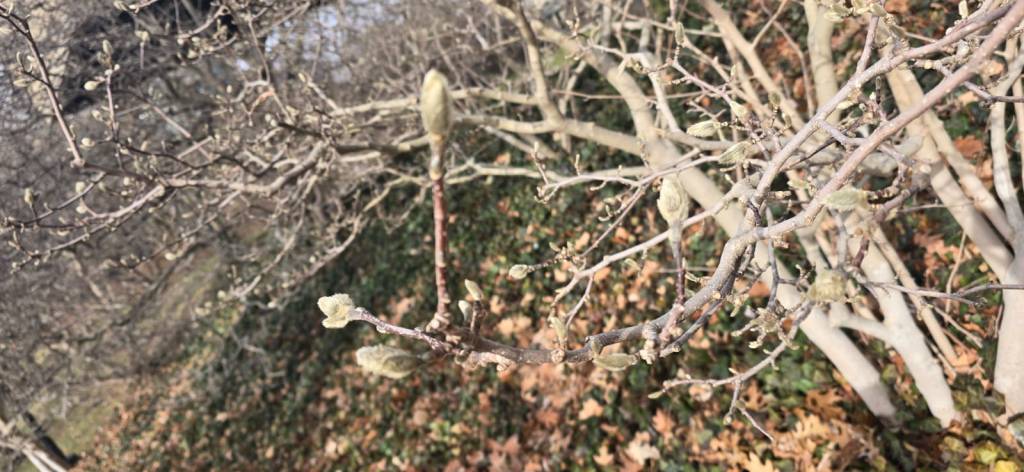
What are in your life or creative practice are you composting? How will this practice enrich the soil of your creative ecosystem and make room for new growth?
Share what you wrote with me in the comments if you want to share!
Call to Action: Community Care Spotlight
Going forward, I plan to use this space to spotlight communities, creators and activists who are taking action to resist and do caring things for others. This month, I am highlighting two creative spaces and community bookstores that mean a great deal to me and who particularly need support right now:
I wrote a feature on Wasted Ink Zine Distro, located in Phoenix, Arizona recently after chatting with the founder and caretaker Charissa Lucille. Read the piece and learn more about the incredible work that they do to support the zine community of Phoenix. They are currently having a fundraiser, For the Love of Zines, that you can support now!
LibroMobile Bookstore is the community bookstore and arts space created by my friend and creative comrade Sarah Rafael Garcia as an offering for her community in Santa Ana, CA. LibroMobile is the only bookstore in the area and provides creative opportunities for youth and community events, as well as mutual aid. The Santa Ana community has been heavily affected by violence and surveillance by ICE, and LibroMobile is in need of support! Visit, order books from them and/or donate if you can!
Keeping making room for those moments of agency and care!
Leticia
Discover more from Leticia Urieta
Subscribe to get the latest posts sent to your email.
